Travel Guide
03
Jul
Zelve Open Air Museum: Cappadocia's Hidden Monastic Valley — Complete Guide (2026)
Bottom Line Up Front: Zelve Open Air Museum is Cappadocia's most underrated historical site — a sprawling abandoned village spread across three interconnected valleys, where Christians and Muslims lived side by side for nearly a thousand years. Unlike the polished, church-focused Goreme Open Air Museum, Zelve offers raw, immersive exploration: climb into cave homes, walk through rock-cut tunnels, stand inside a former seminary, and photograph fairy chimneys without a single tour bus in sight. Abandoned only in 1952, it feels less like a museum and more like a ghost town frozen in time. If you want to escape the crowds and experience Cappadocia as it truly was, Zelve is the place.
Zelve Open Air Museum — Quick Facts (2026)
| Entrance Fee | €12 (approximately 635 TL). Children under 8 free. Combined ticket with Pasabag (Monks Valley) available. Covered by Cappadocia Museum Pass and Museum Pass Turkey. |
| Opening Hours | Summer (Apr–Oct): 08:00–19:00. Winter (Nov–Mar): 08:00–17:00. Last entry 45 minutes before closing. Open daily including weekends. |
| Location | Aktepe village, approximately 10 km east of Goreme and 5 km south of Avanos, on the Goreme–Avanos road. |
| Time Needed | 1.5 to 2.5 hours for all three valleys. Photography enthusiasts should budget 3 hours. |
| Best Time to Visit | April–June and September–October. Arrive at 08:00 opening for solitude and the best light. |
| Terrain | Uneven rocky paths, steep steps, narrow tunnels. Not suitable for wheelchairs or visitors with significant mobility issues. Sturdy shoes essential. |
| Facilities | Small cafe and souvenir shops at the entrance. Limited shade inside the valleys — bring water and sun protection. |
Why Choose Zelve Over Goreme? The Quieter Alternative
Goreme Open Air Museum is undeniably impressive. Its Dark Church (Karanlik Kilise) holds some of the finest Byzantine frescoes in the world, and as a UNESCO World Heritage Site, it sits firmly on every Cappadocia itinerary. But that fame comes at a cost: by 10:00 AM, Goreme is thick with tour groups, selfie sticks, and the hum of a dozen languages competing for space in narrow rock chapels.
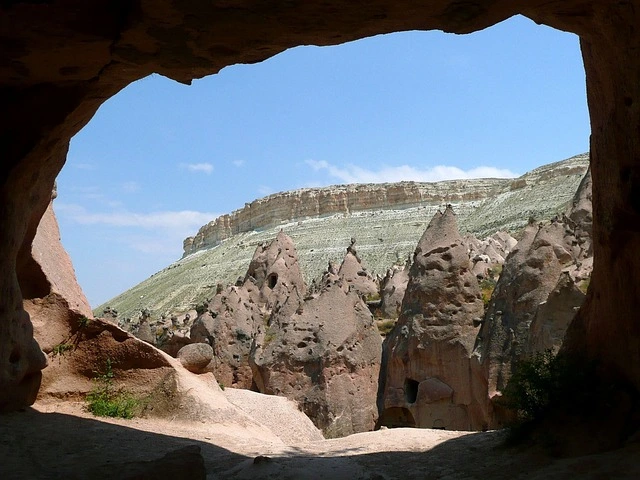
Zelve is the antidote. Located just 10 kilometres east of Goreme along the Avanos road, it receives a fraction of the visitors. Even in peak season, you can often find yourself alone in a valley that once housed thousands. Where Goreme is a curated museum — cordoned walkways, timed entries, strictly enforced no-photo zones — Zelve is a genuine abandoned settlement. You can walk into cave homes, peer into centuries-old kitchens carved from volcanic tuff, and scramble up stone staircases to viewpoints no guidebook mentions.
The difference is philosophical. Goreme is about art history: the frescoes, the iconography, the theological debates rendered in pigment. Zelve is about lived history: the daily routines of a community that persisted from the 9th century until 1952. You leave Goreme with photographs of paintings. You leave Zelve with the visceral sense of what it felt like to inhabit this strange, beautiful landscape. Both are essential — but if you can only visit one open-air museum without crowds, choose Zelve.
The Three Valleys of Zelve — A Complete Walking Guide
Zelve is not a single site but three distinct valleys fanning out from a shared entrance, connected by trails and a rock-cut tunnel. Each valley has its own character, its own treasures, and its own story. The total walking distance is roughly 1.5 kilometres end to end, but the vertical scrambling — up staircases, through tunnels, onto viewing platforms — makes it feel considerably larger.
Valley 1: The Church Complex and Communal Heart
Valley 1 is the most accessible and the first you encounter after passing through the entrance gate. This is where Zelve's religious and communal life centred. The valley floor opens into a broad plaza-like space surrounded by multi-level cave dwellings and the site's most important churches — Uzumlu Kilise (Grape Church) and Balikli Kilise (Fish Church) sit side by side in a rock face on the eastern wall. Look up and you will see a faded but still visible depiction of the Enthroned Mother Mary holding the Baby Jesus above the church entrances, flanked by Archangels Gabriel and Michael.
Also in Valley 1 is Direkli Kilise (the Columned Church), the oldest in Zelve, distinguished by its high-relief crosses carved in the Iconoclastic tradition — a reminder that Cappadocia's Christians were debating the role of religious imagery centuries before the Great Schism. Nearby, a small rock-cut mosque with a minaret stands as testament to the centuries of Muslim-Christian coexistence that defined Zelve's later history. This valley rewards slow exploration: climb the worn stone steps to the upper galleries, where dovecotes (pigeon houses) are carved into the cliff faces, their small niches once used to collect fertiliser for the region's vineyards.
Valley 2: The Monastery and the Mill
A short walk from Valley 1, Valley 2 narrows dramatically. The fairy chimneys here are among the steepest and most pointed in Cappadocia — some rising over 12 metres (40 feet) above the valley floor on improbably thin stems. This valley was Zelve's industrial quarter. You will find the remains of a rock-cut mill (degirmen) complete with its grindstone, which remained in use until the village was evacuated in the 1950s. The mill's mechanism — a vertical shaft driving a horizontal grinding stone — is a remarkable example of Byzantine-era engineering adapted to the resources of a cave settlement.
The monastery complex dominates the upper reaches of Valley 2. Carved across four levels and accessed via labyrinthine tunnels and narrow shafts, it was Cappadocia's first seminary for training priests. Millstone doors — enormous circular stones rolled across passage entrances — protected the lower levels, which served as stables, while the upper levels housed monks' cells and a natural rock dome that functioned as the main chapel. Note: the monastery interior is currently closed to visitors due to ongoing rockfall risk, but you can observe its imposing facade and entrance tunnels from the valley floor.
Valley 3: The Village
Connected to Valley 2 by a tunnel carved straight through the rock, Valley 3 is the wildest and most remote section of Zelve. This was the residential heart of the settlement — the last place where Zelve's inhabitants lived before the forced evacuation of 1952. Here you will find the densest concentration of cave homes: multi-room dwellings with carved shelves, sleeping platforms, hearths, and storage niches. Kitchen spaces are identifiable by their blackened ceilings, still soot-stained from decades of cooking fires. The layout reveals a functioning village: narrow alleyways between dwellings, shared courtyards, and staircases linking different levels of the community.
Valley 3 also contains Geyikli Kilise (Deer Church), though it has mostly collapsed — only fragments of painted rock surface survive, showing deer, fish, and cross motifs. The sense of abandonment here is powerful. Unlike the curated emptiness of Goreme, Valley 3 feels genuinely deserted, as if the residents simply walked away mid-morning and never returned. In many ways, they did.
Historical Timeline — From 9th Century Monastery to Abandoned Village
Zelve's history spans more than a millennium, and its arc mirrors the broader story of Cappadocia itself — a story of refuge, coexistence, and eventual loss.
Pre-9th Century: The soft volcanic tuff of the Zelve valleys was first carved into habitations during the Roman period (2nd–5th centuries AD), though the earliest Christian presence likely dates to the 4th century, when Cappadocia became a centre of early Christian theology under the Cappadocian Fathers — Basil the Great, Gregory of Nyssa, and Gregory of Nazianzus.
9th–13th Centuries (Byzantine Peak): Zelve evolved into a major monastic centre during the Byzantine era. As Arab and Persian incursions pushed Christian communities deeper into Anatolia's defensible landscapes, Cappadocia's underground cities and cave monasteries provided sanctuary. Zelve, with its concealed valleys and easily fortified rock formations, became Cappadocia's primary seminary — the place where priests were trained before being sent to serve communities across the region. Most of the churches visible today, including Direkli Kilise, Uzumlu Kilise, and Balikli Kilise, were carved and decorated during this period. The Iconoclastic controversy (726–843 AD), which banned religious imagery in the Byzantine Empire, left its mark on Zelve's churches in the form of simple cross carvings rather than figurative frescoes.
13th–20th Centuries (Ottoman Era): Under Ottoman rule, Zelve's religious character shifted. The monastery declined, but the settlement endured. Unusually for the region, Christians and Muslims lived together in Zelve for centuries — a rare example of sustained interfaith coexistence. The rock-cut mosque in Valley 1 dates from this period, and historical accounts describe shared festivals, joint agricultural work, and a blended community life that persisted well into the 20th century.
1924 (Population Exchange): The Treaty of Lausanne (1923) mandated a population exchange between Greece and Turkey, forcibly relocating Orthodox Christians from Anatolia to Greece and Muslims from Greece to Turkey. Zelve's Christian inhabitants — descendants of the community that had carved the churches a millennium earlier — left forever. Muslim families remained, continuing to farm the surrounding land and inhabit the cave dwellings.
1952 (The Evacuation): By the mid-20th century, erosion and rockfall had made Zelve increasingly dangerous. The same soft tuff that made carving easy also made the cliffs unstable. In 1952, the Turkish government declared the valley uninhabitable and relocated the last residents approximately 2 kilometres away to a purpose-built village called Yeni Zelve (New Zelve), now known as Aktepe. The evacuation was swift and permanent: families left behind their homes, their mill, and a way of life that had continued uninterrupted for over a thousand years.
1967 (Open Air Museum): Fifteen years after its abandonment, Zelve was designated an open-air museum and opened to the public. Unlike Goreme, which had been a museum since 1950 and was carefully restored, Zelve was left largely as it was found — a decision that preserved its raw, authentic atmosphere at the cost of ongoing deterioration. Today, conservation efforts balance visitor access with safety, and some sections (including the monastery interior) remain closed due to rockfall risk.
Major Churches and Frescoes at Zelve
Zelve's churches are pre-Iconoclastic in origin, meaning they predate or coincide with the period when Byzantine authorities banned figurative religious art. As a result, their decoration is simpler and more symbolic than the elaborate narrative frescoes at Goreme — but no less fascinating for students of early Christian art.
Uzumlu Kilise (Grape Church): Named for the grape motifs carved into its walls, Uzumlu Kilise is the best-preserved church at Zelve. Grapes were a central Christian symbol in Cappadocia — the region has been wine country since Hittite times — representing Christ's blood, the Eucharist, and the Vine of David. The church is a single-nave structure with a barrel-vaulted ceiling, and its primitive red-ochre paintings, though faded, include vine scrolls and geometric patterns characteristic of pre-Iconoclastic Cappadocian art. Look for the carved niches in the apse where liturgical vessels would have been stored.
Balikli Kilise (Fish Church): Adjacent to Uzumlu Kilise, Balikli Kilise features faded red fish paintings on its apse. The fish (ichthys in Greek) was an early Christian secret symbol — an acrostic for "Jesus Christ, Son of God, Saviour" — used during periods of persecution. The presence of fish iconography rather than anthropomorphic imagery further supports the churches' pre-Iconoclastic dating. Above the shared entrance of the Fish and Grape churches, look for the enthroned Virgin Mary with the Christ Child, flanked by Archangels Gabriel and Michael holding a Maltese Cross — one of the most important surviving images at Zelve.
Geyikli Kilise (Deer Church): Unfortunately, Geyikli Kilise has largely collapsed due to erosion. Only fragments of its painted surfaces remain visible, showing deer, fish, and cross motifs. The deer was a common early Christian symbol representing the soul's thirst for God, drawn from Psalm 42: "As the deer pants for streams of water, so my soul pants for you, my God." The church's ruined state is a sobering reminder of the ongoing conservation challenges at Zelve.
Direkli Kilise (Church with Columns): The oldest church in the valley, Direkli Kilise features three aisles separated by rock-cut columns. Its decoration is exclusively aniconic — high-relief crosses carved directly into the rock — reflecting the strict Iconoclastic doctrine that forbade figurative imagery. This makes it an important document of the theological battles that shaped Byzantine Christianity. The church sits at the bottom of the slope in Valley 1.
Vaftizci Yahya (John the Baptist Church): A smaller chapel in the Valley 3 area, Vaftizci Yahya is notable for its cruciform plan and a carved baptismal font, suggesting it served as a baptistry for the monastic community. Its location in the most remote part of Zelve may indicate it was used for private devotion rather than congregational worship.
The Old Zelve Village — Last Cave Dwellers of Cappadocia
What makes Zelve uniquely compelling among Cappadocia's open-air sites is that it was not always a museum. Until 1952, it was a living village — the last continuously inhabited cave settlement in the region. To walk through Zelve today is to walk through a community frozen at the moment of its dissolution.
The homes in Valley 3 tell the story most vividly. Unlike the purpose-carved churches, these dwellings evolved organically over centuries: a room added when a son married, a storage chamber dug when the harvest was good, a stable expanded when the flock grew. You can still see the carved niches where oil lamps sat, the tethering rings for animals, the raised platforms that served as beds. Some rooms still bear traces of whitewash on the walls — a modest attempt at domestic comfort in a house carved from volcanic rock.
The social structure of old Zelve was unusual. For most of its history, the village operated under a form of communal land management, with grazing rights, water access, and agricultural plots shared between families. The mill in Valley 2 was a communal resource. Religious festivals blended Christian and Muslim traditions — a syncretism that horrified orthodox authorities on both sides but sustained community peace for centuries.
The 1952 evacuation was traumatic. Residents were given short notice to leave homes their families had occupied for generations. Many walked the 2 kilometres to Yeni Zelve with whatever they could carry. The new village, built of concrete and brick on an exposed plain, bore no resemblance to the cave warren they had left behind. Some elderly former residents reportedly returned to Zelve in its early years as a museum, pointing out to visitors which cave had been their childhood home.
Today, the descendants of Zelve's last inhabitants live in Aktepe, where some families operate small businesses catering to the tourists who come to see their ancestral village. It is a poignant coda to a thousand-year story — and one worth remembering as you explore the empty rooms.
Zelve and the Red Tour
The Cappadocia Red Tour is the region's most popular guided itinerary, covering the highlights of North Cappadocia. Traditionally, Red Tours visited Goreme Open Air Museum, but an increasing number of operators — including Temren Travel — now route through Zelve instead. The reason is simple: visitors who have experienced both overwhelmingly prefer Zelve for the overall experience.
A Zelve-based Red Tour typically includes: Zelve Open Air Museum (1–1.5 hours of exploration), Pasabag (Monks Valley) with its iconic three-headed fairy chimneys just 1.5 kilometres from Zelve, Devrent Valley (Imagination Valley) where rock formations resemble animals and objects, a traditional pottery workshop and lunch in Avanos — the pottery capital of Cappadocia since Hittite times, Love Valley for panoramic views of the region's most distinctive rock formations, and Uchisar Castle viewpoint for a sweeping vista across the entire region.
The Zelve routing gives you more time on the ground at each stop because you are not queuing behind large tour groups. It also pairs naturally with Pasabag — the two sites together offer the best concentration of fairy chimneys and cave dwellings in North Cappadocia, without the crowds that choke Goreme by mid-morning.
Zelve vs Goreme Open Air Museum — Detailed Comparison
| Feature | Zelve Open Air Museum | Goreme Open Air Museum |
|---|---|---|
| Crowds | Quiet even in peak season. Often possible to have entire valleys to yourself, especially before 10:00 AM. | Heavily crowded from mid-morning onward. Large tour groups dominate; queues form at popular churches. |
| Churches & Frescoes | 5 churches. Pre-Iconoclastic, simpler decoration with symbolic motifs and high-relief crosses. One significant surviving fresco (Virgin Mary above Fish/Grape churches). | Approximately 10 churches. Rich narrative frescoes from the 10th–12th centuries. Dark Church (Karanlik Kilise) has world-class Byzantine paintings, though it requires an extra ticket. |
| Atmosphere | Raw, authentic, exploratory. An abandoned village where you explore freely through cave homes, tunnels, and staircases. | Polished, curated, museum-like. Roped-off areas, restricted access to fragile frescoes, no photography inside churches. |
| Time Needed | 1.5–3 hours (three valleys, extensive walking and scrambling). | 1–1.5 hours (compact site, straightforward walking paths). |
| Entrance Fee (2026) | €12 (approx. 635 TL). Combined ticket with Pasabag available. | €20 (approx. 1,060 TL). Dark Church requires additional fee (approx. €6 / 320 TL). |
| Accessibility | Uneven rocky terrain, steep steps, narrow tunnels. Not suitable for wheelchairs or visitors with mobility issues. | Partially accessible. Main paths are paved, but individual church entrances involve steps. More manageable for moderate mobility challenges. |
| Transport | 10 km from Goreme. No direct public transport — requires taxi, rental car, or guided tour. Avanos dolmus (minibus) stops at the turnoff on the main road. | 1.5 km walk from Goreme town centre. Easily reached on foot, by bicycle, or via a short taxi ride. |
| Facilities | Small cafe and shops at entrance. Minimal shade inside valleys. Basic restrooms. | Large parking lot, cafe, gift shop, well-maintained restrooms. More developed tourist infrastructure. |
| Best For | Travellers seeking authenticity, photographers, families with adventurous children, anyone wanting to escape crowds and experience a real abandoned cave settlement. | Art history enthusiasts, fresco devotees, first-time visitors wanting the iconic Cappadocia experience, those with limited mobility or time. |
The honest answer is that both are worth visiting if your itinerary allows — but if you must choose one, choose based on what moves you more: the art (Goreme) or the lived experience (Zelve). For our money, Zelve stays with you longer.
Photography and Exploration Tips for Zelve
Zelve is a photographer's dream, offering a combination of dramatic geology, ancient architecture, and — crucially — near-total freedom from crowds that ruin wide shots at more popular sites. But the site's scale and lighting conditions require some planning to capture at its best.
Golden Hour is Everything: Zelve's rock has a distinctive pinkish-amber hue — warmer and more saturated than the cream tones of Goreme and Uchisar. This colour comes alive in the soft light of early morning (08:00–10:00) and late afternoon (16:00 until closing). Midday sun flattens the valleys into harsh contrast and bleached highlights. If you are serious about photography, plan your visit around opening time. The valleys face roughly east-west, meaning Valley 1 catches the best morning light while Valley 3 glows in late afternoon.
Best Photo Spots: The panoramic viewpoint above Valley 1 offers the classic Zelve wide shot — three valleys converging beneath a forest of fairy chimneys. The tunnel connecting Valley 2 to Valley 3 creates dramatic framed compositions, especially if you catch someone walking through it silhouetted against the far opening. The mill in Valley 2, with its ancient grindstone still in place, tells a story in a single frame. And the dovecote facades — honeycombs of small arched niches carved into cliff faces — create mesmerising geometric patterns when shot straight-on with a telephoto lens.
Practical Photography Notes: Bring a flashlight or headlamp for the interior chambers, where you may want to capture carved details in near-total darkness. Flash photography should be strictly avoided inside churches — the remaining pigments are fragile and light-sensitive. Drones are not permitted at Zelve or anywhere in the Goreme National Park without special permits, which are rarely granted to tourists. A wide-angle lens (16–35mm equivalent) handles the valley vistas, while a telephoto (70–200mm) isolates architectural details and compresses the fairy chimney formations into layered compositions.
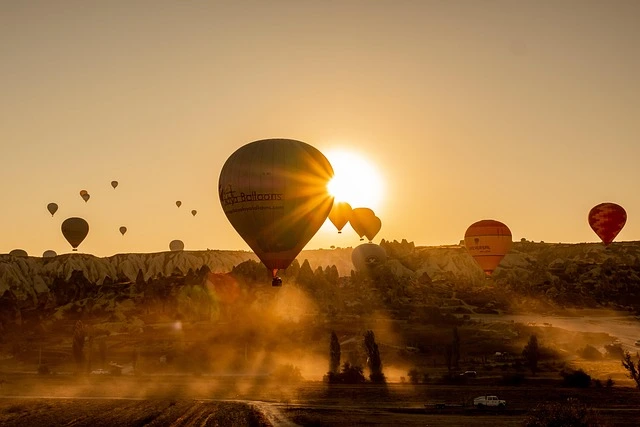
For couples and content creators planning a Cappadocia photoshoot, Zelve offers an atmospheric alternative to the crowded sunrise viewpoints. The site's textures and golden-hour light create a dramatic backdrop very different from the standard hot-air-balloon shot. Read our full guide to Cappadocia's most photogenic locations: Romantic Photo Spots in Cappadocia — 2026 Guide.
Best Time to Visit Zelve
Zelve is open year-round, but the experience varies dramatically by season, weather, and even the time of day you arrive.
Spring (April–June): This is the ideal window. Daytime temperatures range from 15–25 degrees Celsius — comfortable for the 2–3 hours of walking and scrambling Zelve demands. The valleys are surprisingly green in spring, with wildflowers emerging from cracks in the tuff and the surrounding vineyards coming to life. Morning visits are crisp and fresh. Easter and the weeks around it see a modest increase in visitors but nothing like summer crowds.
Autumn (September–October): A close second to spring. Temperatures are similar — warm but not punishing — and the late-afternoon light in October is arguably the most beautiful of the year, with longer golden-hour windows and vivid sunsets. The grape harvest in surrounding vineyards adds a sensory dimension to the area. Crowds thin out noticeably after mid-September.
Summer (July–August): The most challenging season. Cappadocia's continental climate delivers daytime highs of 30–38 degrees Celsius, and Zelve offers almost no shade across its three valleys. If summer is your only option, visit at 08:00 sharp and finish by 10:30. Bring at least one litre of water per person, wear a hat, and know your limits — heat exhaustion on a remote section of Valley 3 is not a situation you want to find yourself in.
Winter (November–March): A wild card. On clear winter days, Zelve is magical — low winter sun casts long shadows across the valleys, and you may have the entire site to yourself. But snow and ice make the already-treacherous paths genuinely hazardous. The shorter winter hours (closing at 17:00) also compress your window. Check the forecast and road conditions before setting out — the Goreme–Avanos road is not always cleared promptly after snowfall. For a detailed seasonal breakdown, see Best Time to Visit Cappadocia — Complete Seasonal Guide.
Expert Tips for Zelve Open Air Museum
- Arrive at opening time (08:00). This is the single most important piece of advice for Zelve. By 08:15 you can be standing alone in Valley 1 as the morning light spills over the fairy chimneys. By 10:30, the first tour groups arrive and the spell is partially broken. The early start also means you finish before the midday heat.
- Wear proper footwear. Zelve is not a flip-flop site. The paths are uneven volcanic rock, the steps are worn and irregular, and you will be scrambling up slopes to reach viewpoints and upper-level dwellings. Sturdy trainers or hiking shoes are essential. Ankle support is a bonus.
- Bring a flashlight. Several of the most interesting spaces — the connecting tunnel between Valleys 2 and 3, the deeper cave homes, the mill interior — are unlit. A phone flashlight works in a pinch, but a small dedicated torch leaves your hands free for scrambling and your phone battery for photos.
- Combine with Pasabag (Monks Valley). Pasabag is only 1.5 kilometres from Zelve and features Cappadocia's most photogenic fairy chimneys — the multi-headed formations with tiny chapels carved into their stems. The combined ticket covers both sites. Visiting them back to back gives you the best half-day itinerary in North Cappadocia, entirely free of the Goreme crowds. Devrent Valley (Imagination Valley) is a further 5 kilometres north — add it to complete the classic northern route.
- Respect the site's fragility. Zelve is not a theme park. The rock is soft and eroding. Do not carve your name into walls (sadly a persistent problem), do not remove stones or fragments, and stay out of areas cordoned off for rockfall danger. The monastery interior is closed for a reason. Treat the site as what it is: a thousand-year-old settlement that deserves another thousand years.
Frequently Asked Questions
Is Zelve Open Air Museum worth visiting?
Absolutely. Zelve is arguably the most underrated site in Cappadocia. It offers a more authentic, less crowded experience than Goreme Open Air Museum, with three valleys of cave dwellings, churches, and a ghost village to explore. Visitors consistently describe it as a highlight of their Cappadocia trip — often the highlight. If you have even a moderate interest in history, photography, or simply escaping tourist crowds, Zelve belongs on your itinerary.
How long do you need at Zelve Open Air Museum?
Budget 1.5 to 2 hours for a reasonably thorough exploration of all three valleys. If you are a photographer or someone who likes to linger in atmospheric places, budget 3 hours. The site is larger than it appears on maps because of the vertical dimension — climbing to viewpoints and exploring upper-level dwellings adds significant time. Rushing through in under an hour means missing Valley 3 entirely, which is the most evocative section.
Can you visit Zelve without a tour?
Yes, Zelve is easily visited independently. Your ticket gives you full access, and the valleys are self-guided — there are informational signs at key points, though they are relatively minimal. The main logistical challenge is transport: Zelve is about 10 kilometres from Goreme, and there is no direct public bus. A taxi from Goreme takes about 15 minutes. Alternatively, book a private Red Tour that includes Zelve, which also covers Pasabag, Devrent Valley, and Avanos, making the transport logistics someone else's problem while adding context from a knowledgeable guide.
Is Zelve suitable for children?
Yes — with caveats. Children who enjoy climbing, exploring, and adventure will love Zelve more than any other Cappadocia site. The tunnels, caves, and staircases are a natural playground for curious kids. However, the terrain is genuinely hazardous for very young children: steep drops, narrow passages, and uneven surfaces are everywhere. Keep children under about 8 within arm's reach, especially in Valley 2 and the upper sections of Valley 1. A baby carrier is far more practical than a stroller — the latter is essentially useless on Zelve's terrain.
What should I wear to Zelve Open Air Museum?
Sturdy, closed-toe shoes are non-negotiable. Beyond that: lightweight, breathable clothing in summer (with sun protection — hat, sunglasses, sunscreen), layers in spring and autumn, and a warm jacket in winter. Cappadocia's altitude (approximately 1,000 metres) means it is cooler than coastal Turkey year-round, and the valleys can be windy. If visiting in summer, light-coloured clothing helps with the heat. There is no dress code for churches at Zelve, unlike active mosques elsewhere in Turkey, but modest dress is appreciated given the site's religious history.
Plan Your Zelve Visit with Temren Travel
Zelve rewards independent exploration, but the richest experience comes with a guide who can bring its thousand-year story to life — pointing out details you would walk past, explaining the iconography you would miss, and connecting the site to the broader history of Cappadocia. At Temren Travel, our private Red Tour incorporates Zelve as its centrepiece, paired with Pasabag's fairy chimneys, Devrent Valley's surreal formations, and a traditional pottery lunch in Avanos. Because we operate private tours, not large groups, your guide adapts the pace and focus to your interests — whether that means an extra hour of photography at Zelve or a deeper dive into the theological history of the Iconoclastic churches.
Our Best of Cappadocia package also includes Zelve alongside the region's essential experiences: a sunrise hot air balloon flight (optional), the underground cities of Derinkuyu or Kaymakli, Ihlara Valley's canyon hike, and a full exploration of Goreme's valleys. It is the most comprehensive way to experience Cappadocia without rushing.
For more planning resources, explore our Complete Goreme Destination Guide — covering where to stay, eat, and what to see in Cappadocia's main town — and our Red Tour vs Green Tour comparison, which breaks down which Cappadocia itinerary is right for your travel style and available time.
Related Guides
- Red Tour vs Green Tour: Which Cappadocia Tour Is Right for You?
- Best Time to Visit Cappadocia — Complete Seasonal Guide (2026)
- Romantic Photo Spots in Cappadocia — The Ultimate 2026 Guide
- Goreme Destination Guide — Where to Stay, Eat & Explore
- Cappadocia Hot Air Balloon Guide — Everything You Need to Know (2026)
- Cappadocia Underground Cities — Derinkuyu, Kaymakli & Beyond
- Pasabag (Monks Valley) Guide — Fairy Chimneys & Hermit Cells
Recent Travel Guides
Quick Answers — Zelve Open Air Museum: Cappadocia's Hidden Monastic Valley — Complete Guide (2026)
FAQ 1 Zelve Open Air Museum — Quick Facts (2026) Entrance Fee€12 (approximately 635 TL). Children under 8 free. Combined ticket with Pasabag (Monks Valley) available. Covered by Cappadocia Museum Pass and Museum Pass Turkey. Opening HoursSummer (Apr–Oct): 08:00–19:00. Winter (Nov–Mar): 08:00–17:00. Last entry 45 minutes before closing. Open daily including weekends. LocationAktepe village, approximately 10 km east of Goreme and 5 km south of Avanos, on the Goreme–Avanos road. Time Needed1.5 to 2.5 hours for all three valleys. Photography enthusiasts should budget 3 hours. Best Time to VisitApril–June and September–October. Arrive at 08:00 opening for solitude and the best light. TerrainUneven rocky paths, steep steps, narrow tunnels. Not suitable for wheelchairs or visitors with significant mobility issues. Sturdy shoes essential. FacilitiesSmall cafe and souvenir shops at the entrance. Limited shade inside the valleys — bring water and sun protection. Why Choose Zelve Over Goreme? The Quieter Alternative Goreme Open Air Museum is undeniably impressive. Its Dark Church (Karanlik Kilise) holds some of the finest Byzantine frescoes in the world, and as a UNESCO World Heritage Site, it sits firmly on every Cappadocia itinerary. But that fame comes at a cost: by 10:00 AM, Goreme is thick with tour groups, selfie sticks, and the hum of a dozen languages competing for space in narrow rock chapels. Zelve is the antidote. Located just 10 kilometres east of Goreme along the Avanos road, it receives a fraction of the visitors. Even in peak season, you can often find yourself alone in a valley that once housed thousands. Where Goreme is a curated museum — cordoned walkways, timed entries, strictly enforced no-photo zones — Zelve is a genuine abandoned settlement. You can walk into cave homes, peer into centuries-old kitchens carved from volcanic tuff, and scramble up stone staircases to viewpoints no guidebook mentions. The difference is philosophical. Goreme is about art history: the frescoes, the iconography, the theological debates rendered in pigment. Zelve is about lived history: the daily routines of a community that persisted from the 9th century until 1952. You leave Goreme with photographs of paintings. You leave Zelve with the visceral sense of what it felt like to inhabit this strange, beautiful landscape. Both are essential — but if you can only visit one open-air museum without crowds, choose Zelve. The Three Valleys of Zelve — A Complete Walking Guide Zelve is not a single site but three distinct valleys fanning out from a shared entrance, connected by trails and a rock-cut tunnel. Each valley has its own character, its own treasures, and its own story. The total walking distance is roughly 1.5 kilometres end to end, but the vertical scrambling — up staircases, through tunnels, onto viewing platforms — makes it feel considerably larger. Valley 1: The Church Complex and Communal Heart
Valley 1 is the most accessible and the first you encounter after passing through the entrance gate. This is where Zelve's religious and communal life centred. The valley floor opens into a broad plaza-like space surrounded by multi-level cave dwellings and the site's most important churches — Uzumlu Kilise (Grape Church) and Balikli Kilise (Fish Church) sit side by side in a rock face on the eastern wall. Look up and you will see a faded but still visible depiction of the Enthroned Mother Mary holding the Baby Jesus above the church entrances, flanked by Archangels Gabriel and Michael.
FAQ 2 Valley 2: The Monastery and the Mill
A short walk from Valley 1, Valley 2 narrows dramatically. The fairy chimneys here are among the steepest and most pointed in Cappadocia — some rising over 12 metres (40 feet) above the valley floor on improbably thin stems. This valley was Zelve's industrial quarter. You will find the remains of a rock-cut mill (degirmen) complete with its grindstone, which remained in use until the village was evacuated in the 1950s. The mill's mechanism — a vertical shaft driving a horizontal grinding stone — is a remarkable example of Byzantine-era engineering adapted to the resources of a cave settlement.
FAQ 3 Valley 3: The Village
Connected to Valley 2 by a tunnel carved straight through the rock, Valley 3 is the wildest and most remote section of Zelve. This was the residential heart of the settlement — the last place where Zelve's inhabitants lived before the forced evacuation of 1952. Here you will find the densest concentration of cave homes: multi-room dwellings with carved shelves, sleeping platforms, hearths, and storage niches. Kitchen spaces are identifiable by their blackened ceilings, still soot-stained from decades of cooking fires. The layout reveals a functioning village: narrow alleyways between dwellings, shared courtyards, and staircases linking different levels of the community.
FAQ 4 Is Zelve Open Air Museum worth visiting?
Absolutely. Zelve is arguably the most underrated site in Cappadocia. It offers a more authentic, less crowded experience than Goreme Open Air Museum, with three valleys of cave dwellings, churches, and a ghost village to explore. Visitors consistently describe it as a highlight of their Cappadocia trip — often the highlight. If you have even a moderate interest in history, photography, or simply escaping tourist crowds, Zelve belongs on your itinerary.
FAQ 5 How long do you need at Zelve Open Air Museum?
Budget 1.5 to 2 hours for a reasonably thorough exploration of all three valleys. If you are a photographer or someone who likes to linger in atmospheric places, budget 3 hours. The site is larger than it appears on maps because of the vertical dimension — climbing to viewpoints and exploring upper-level dwellings adds significant time. Rushing through in under an hour means missing Valley 3 entirely, which is the most evocative section.
FAQ 6 Can you visit Zelve without a tour?
Yes, Zelve is easily visited independently. Your ticket gives you full access, and the valleys are self-guided — there are informational signs at key points, though they are relatively minimal. The main logistical challenge is transport: Zelve is about 10 kilometres from Goreme, and there is no direct public bus. A taxi from Goreme takes about 15 minutes. Alternatively, book a private Red Tour that includes Zelve, which also covers Pasabag, Devrent Valley, and Avanos, making the transport logistics someone else's problem while adding context from a knowledgeable guide.