Travel Guide
03
Jul
Plan Your Cappadocia Trip 2026 — Itineraries, Budget, Seasons & Transport | Temren Travel
Bottom Line Up Front: Planning a trip to Cappadocia in 2026 does not have to be overwhelming. With the right cappadocia itinerary, you can experience fairy chimneys, underground cities, hot air balloon flights, and ancient cave churches without wasting a single hour. This complete planning guide covers exactly how many days you need, when to go, what to budget, how to reach Cappadocia, where to stay, and what to pack — all from local Cappadocia experts who design private tours every day. By the time you finish reading, you will have a concrete, actionable plan to plan your Cappadocia trip from start to finish.
How Many Days in Cappadocia? The Honest Answer
The single most common question we receive at Temren Travel is: how many days do I actually need in Cappadocia? The answer depends entirely on what kind of traveler you are. Cappadocia is not a one-attraction destination — it covers roughly 5,000 square kilometers of volcanic valleys, ancient underground cities, Seljuk caravanserais, and Byzantine cave churches. Rushing through it in one day means you will miss at least half of what makes this UNESCO World Heritage region extraordinary.
One Day (Not Recommended Unless It Is a Layover)
A single day in Cappadocia forces brutally difficult choices. You can either do a hot air balloon flight at sunrise OR see the Goreme Open-Air Museum — but not both, because the balloon lands at 8:00 AM and the museum deserves three hours minimum. With only one day, the Best of Cappadocia Mix Tour is your best compromise: it combines Red Tour highlights (Goreme Museum, Pasabag fairy chimneys) with a Green Tour underground city in a single 8-hour private itinerary. Realistically, though, you will leave wishing you had booked at least two more days.
Three Days (The Sweet Spot for 90% of Travelers)
Three full days is the optimal cappadocia itinerary for most visitors. This gives you one morning for the balloon flight (with two backup mornings if weather cancels), one full day to explore the Northern valleys and fairy chimneys via the Red Tour route, and one full day to descend into an underground city and hike Ihlara Valley on the Green Tour route. You will see every major highlight, never feel rushed, and still have evenings free for Turkish cuisine and sunset viewpoints. Three days is what we recommend to 90% of our clients.
Five Days (For the Deep Explorer)
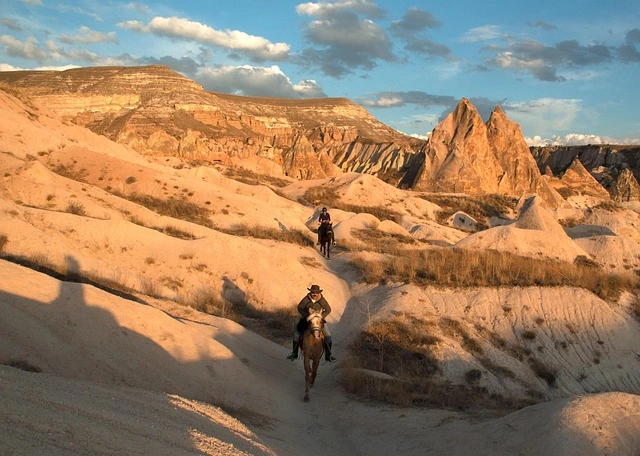
If you have five days, Cappadocia opens up in ways most tourists never experience. Day four can take you to the less-visited Soganli Valley with its serene rock-cut churches and abandoned villages — a place where you might be the only visitor. Day five is perfect for horse riding through Rose Valley at sunset, joining a Turkish cooking class in a local home, or visiting the pottery workshops of Avanos where artisans have thrown clay on kick-wheels for 4,000 years. Five days also means you can attempt a balloon flight on up to four different mornings, dramatically increasing your odds of flying even in variable weather.
Read the Full 3-Day Cappadocia Itinerary →
Best Time to Visit Cappadocia: A Seasonal Breakdown
Cappadocia is a year-round destination, but each season delivers a fundamentally different experience. The volcanic plateau sits at 1,000-1,300 meters above sea level, meaning winters are cold with regular snowfall and summers are hot and dry. Your choice of season affects everything — balloon flight cancellation rates, crowd levels, hotel prices, and which activities are even possible.
| Season | Months | Temperature | Balloon Chance | Crowds | Hotel Prices | Best For |
|---|---|---|---|---|---|---|
| Spring | April – May | 10°C – 22°C | 85-90% | Moderate | Mid-range | Wildflowers, pleasant hiking, ideal photography light |
| Summer | June – August | 18°C – 35°C | 90-95% | Peak | Highest | Guaranteed balloon flights, long daylight hours (14+ hours) |
| Autumn | September – October | 8°C – 24°C | 85-90% | Moderate-High | Mid-range | Golden valley colors, grape harvest, perfect temperatures |
| Winter | November – March | -5°C – 8°C | 40-60% | Lowest | Lowest (up to 50% off) | Snow-covered fairy chimneys, empty museums, budget travel |
The single best month to visit Cappadocia, in our local opinion, is September. The summer crowds have thinned, daytime temperatures hover around a comfortable 24°C, the valleys turn golden as vineyards change color, and balloon cancellation rates are under 10%. May is the runner-up — wildflowers carpet the valleys in purple and yellow, and the landscape is at its greenest after spring rains. If you are budget-conscious, late November and early March offer hotel rates at nearly half the summer price, and you may have Goreme Open-Air Museum almost entirely to yourself — just pack a heavy coat.
Critical planning note: Hot air balloon flights in Cappadocia are cancelled on roughly 30% of days annually due to wind or precipitation — the Turkish Civil Aviation Authority makes the final call, not individual balloon companies. Winter cancellation rates climb to 40-60%. This is precisely why we recommend a minimum of three days: it gives you multiple backup morning slots. Book your balloon flight for your first available morning.
Full Seasonal Guide: Best Time to Visit Cappadocia →
Cappadocia Trip Budget 2026: Real Numbers from Local Experts
Let us talk about money. Cappadocia is not Istanbul — you will not find ultra-budget hostels at 5 euros per night everywhere, but you also will not pay Antalya beach resort prices. The region sits in a comfortable mid-range bracket where your biggest variable costs are the balloon flight and your choice of cave hotel. Here is exactly what you should expect to spend in 2026, per person.
Flights to Cappadocia
Domestic flights from Istanbul to Kayseri (ASR) or Nevsehir (NAV) typically cost €40 – €120 round-trip, depending on how far in advance you book and whether you fly Turkish Airlines (full-service, includes luggage) or Pegasus/SunExpress (budget, luggage extra). Flights from Antalya or Izmir run €50 – €150 round-trip. Book 4-6 weeks ahead for the best fares.
Accommodation
Cave hotels define Cappadocia's accommodation landscape, and prices span an enormous range. A clean, authentic family-run cave pension in Goreme costs €40 – €80 per night. Mid-range boutique cave hotels with terraces and valley views run €80 – €150 per night. Luxury cave resorts in Uchisar with infinity pools and panoramic sunrise terraces start at €200 and can exceed €500 per night during peak summer. Budget travelers can find simple hostels and guesthouses from €15 – €25 per night.
Tours and Activities
Private Red Tour (North Cappadocia): €140 – €200 per vehicle (up to 12 people). Private Green Tour (South Cappadocia): €140 – €239 per vehicle. Hot air balloon flight: €200 – €300 per person for premium operators with small baskets (16-20 passengers); budget operators with 28-person baskets start around €150. Group tours are cheaper — roughly €50 – €70 per person — but come with 40-person buses, fixed schedules, and mandatory shopping stops that consume up to 2 hours of your day.
Food and Drink
A sit-down lunch at a mid-range restaurant costs €10 – €18 per person. Dinner with a glass of local Cappadocian wine: €15 – €30. A traditional pottery kebab (testi kebab) — Cappadocia's signature dish slow-cooked in a sealed clay pot — runs €12 – €20. Street food like gozleme (stuffed flatbread) costs €3 – €5. Budget approximately €25 – €40 per day for food if you mix casual and sit-down meals.
Airport Transfers
A private VIP Mercedes Vito transfer from Kayseri Airport (ASR) to Goreme costs approximately €50 – €70 one-way per vehicle. From Nevsehir Airport (NAV): €35 – €50. Shared shuttle buses cost €8 – €12 per person but stop at multiple hotels and can add 60-90 minutes to your journey.
| Budget Tier | 3-Day Total (Per Person) | What You Get |
|---|---|---|
| Budget | €400 – €600 | Hostel/guesthouse, group tours, shared shuttle, street food, no balloon |
| Mid-Range | €800 – €1,400 | Boutique cave hotel, private tours, balloon flight, sit-down meals |
| Luxury | €1,500 – €2,500+ | 5-star cave resort, premium balloon, private driver, fine dining |
These estimates exclude flights to Cappadocia. The single biggest variable is the balloon flight — if you skip it, subtract roughly €200-300 per person from each tier. Conversely, if you want a premium balloon experience with a 16-passenger basket, champagne service, and extended flight time, add €50-100.
Detailed Cappadocia Budget Breakdown →
Getting to Cappadocia — Flights, Airports and Transfers
Cappadocia is served by two airports, and choosing the right one — plus the right transfer — can save you hours of unnecessary transit time. Neither airport is inside Cappadocia itself; both require a transfer through the Anatolian plateau to reach Goreme, Uchisar, or wherever you are staying.
Kayseri Erkilet Airport (ASR)
Kayseri Airport is the larger, busier hub with more domestic and international connections. Turkish Airlines, Pegasus, and SunExpress all operate daily flights from Istanbul (both IST and SAW airports). The drive from ASR to Goreme takes approximately 60-75 minutes via the well-maintained D300 highway. ASR is the better choice if you are connecting from an international flight or want more schedule flexibility with 8-10 daily Istanbul departures. Kayseri Airport also features a larger terminal with more dining and lounge options than Nevsehir.
Nevsehir Kapadokya Airport (NAV)
Nevsehir Airport is smaller and closer — only 30-40 minutes from Goreme. Turkish Airlines and Pegasus serve NAV with fewer daily frequencies (typically 2-4 flights from Istanbul), but the shorter transfer time is genuinely valuable after a long travel day. NAV is the better choice if flight schedules align with your itinerary, especially if you are arriving late at night and want to minimize your transfer time. The terminal is modest but functional, with a small cafe and car rental desks.
Private Transfer vs. Shuttle vs. Rental Car
Do not underestimate the airport transfer. After a 90-minute flight from Istanbul, the last thing you want is to wait 45 minutes for a shared shuttle to fill up, then spend another hour stopping at six different hotels before reaching yours. A private VIP transfer costs roughly €50-70 (ASR) or €35-50 (NAV) one-way — your driver waits at arrivals with a name sign, loads your luggage into a Mercedes Vito, and delivers you directly to your hotel door in 35-75 minutes depending on the airport. Shared shuttles cost €8-12 per person but can take 2+ hours door-to-door with all the intermediate stops. Rental cars are an option if you plan to self-explore, but be aware that road signage to remote valleys and trailheads is notoriously poor — GPS is essential and even then you may find yourself on unpaved tracks.
Complete Airport & Transport Guide →
Book Private Airport Transfer (ASR or NAV) →
What to Pack for Cappadocia: Seasonal Essentials
Cappadocia's high-altitude continental climate means dramatic temperature swings — not just between seasons, but within a single day. Summer mornings at the balloon take-off site can be 12°C, while the same afternoon in Goreme hits 35°C. Winter brings snow and sub-zero nights but sunny afternoons. Packing wrong is the single most common traveler complaint we hear, and it is entirely avoidable.
Spring (April – May) and Autumn (September – October)
Layers are non-negotiable. Mornings are chilly at 8-12°C, especially before sunrise at the balloon launch. By midday, temperatures climb to 18-24°C. Pack: a lightweight fleece or packable down jacket, long-sleeve base layers, comfortable hiking trousers, a waterproof windbreaker (spring showers are common in April), sturdy walking shoes with good grip for uneven valley terrain, sunglasses, sunscreen (the high-altitude sun is intense even in cool weather), and a scarf or buff for dust protection on dry trails.
Summer (June – August)
The Anatolian sun is relentless at 1,100 meters of altitude. Daytime highs regularly exceed 32°C, and there is minimal natural shade in the open valleys. Pack: lightweight breathable clothing (linen or moisture-wicking fabrics), a wide-brimmed sun hat, high-SPF sunscreen (reapply every two hours), UV-protective sunglasses, a refillable water bottle (you will drink 2-3 liters per day), comfortable sandals for town and sturdy walking shoes for trails. Despite the heat, bring a light sweater or jacket — balloon launch sites at 5:00 AM are genuinely cold even in July, typically 10-14°C.
Winter (November – March)
Cappadocia under snow is magical, but you must dress for it. Nighttime temperatures drop to -10°C and daytime highs hover around 2-6°C. Snowfall is common from December through February, and the fairy chimneys capped in white are one of the most photogenic sights in Turkey. Pack: a heavy insulated winter coat, thermal base layers (top and bottom), waterproof snow boots with good tread (valley paths become icy and slippery), thick wool socks, insulated gloves, a warm beanie, and a scarf. Heated indoor spaces are standard in hotels and restaurants, so layering remains important — you will shed layers indoors.
Year-Round Essentials
Regardless of season, always pack: a portable power bank (you will drain your phone battery taking photos), a universal travel adapter (Turkey uses Type F plugs, 220V), any personal medications (pharmacies exist in Goreme and Urgup but may not stock specific brands), a small daypack for tours, and comfortable broken-in walking shoes — you will average 8,000-15,000 steps per day on uneven terrain. If you wear contact lenses, bring extras and eye drops — the volcanic dust can be irritating, especially on windy days in the valleys.
Complete Cappadocia Packing List by Season →
Getting Around Cappadocia: Every Option, Honestly Compared
Cappadocia's valleys, underground cities, and viewpoints are scattered across a large area with minimal public transportation. How you get around determines how much you actually see — and how stressful the experience is. Here is every option, ranked honestly.
Private Driver with Tour Guide (Recommended)
This is what we do at Temren Travel, and for good reason. A private Mercedes Vito with a professional driver and licensed guide picks you up from your hotel, takes you directly to each site with zero waiting, and handles all logistics — parking, entrance tickets, lunch reservations, and navigating the unmarked dirt roads to remote trailheads. There is no fixed schedule, no shopping stops unless you request them, and no waiting for 40 other people to board and disembark a bus at every stop. Private tours cost more than group tours but deliver 100% of your day for actual exploration. For most travelers, this is the highest-value choice.
Group Bus Tours
Red Tour and Green Tour group buses are the budget option at roughly €50-70 per person per day. The trade-offs are significant: 40-person coaches, fixed departure times (usually 9:30 AM), and mandatory stops at commission-based carpet, pottery, and jewelry shops that consume 60-120 minutes of your tour day. You will see the major sights, but on someone else's schedule, and you will spend meaningful time in shops you may have zero interest in. If budget is the primary constraint, group tours are functional — just go in with eyes open about the shopping stops.
Rental Car
Renting a car gives you complete freedom — and complete responsibility. Daily rates run €30-60 for a compact car. The main roads (Goreme-Avanos-Uchisar-Urgup) are paved and well-maintained. The problem: many of the best hiking trailheads, remote viewpoints, and smaller valleys are accessed via unmarked, unpaved tracks where GPS frequently fails. Parking at Goreme Open-Air Museum and Uchisar Castle is limited and chaotic during peak season. If you are a confident driver comfortable with ambiguous navigation, a rental car is viable. If the idea of getting lost on a dirt road in rural Anatolia stresses you out, it is not.
Local Taxis
Taxis exist in Goreme, Urgup, and Avanos but are scarce in more remote areas. Short hops within Goreme cost €5-10. A taxi from Goreme to an underground city like Derinkuyu (40 km) and back with waiting time can cost €80-120 — at that point, a private tour is more cost-effective and includes a guide. Taxis are best for short point-to-point trips within towns, not for full-day valley-hopping.
Dolmus (Local Minibus)
Dolmus minibuses connect the major towns (Goreme, Avanos, Urgup, Nevsehir, Uchisar) for €0.50-1.50 per ride. They run roughly every 30-60 minutes during daylight hours. The catch: dolmus routes do not go to any valleys, viewpoints, underground cities, or hiking trailheads. They are purely town-to-town transport. Useful for getting from Goreme to Avanos for a pottery workshop, but useless for actual sightseeing.
Where to Stay in Cappadocia: Choosing the Right Town
Where you sleep determines your daily logistics. Cappadocia's main towns each have a distinct character, and choosing wrong means unnecessary driving time and missed experiences. Here is the honest comparison from someone who lives here.
Goreme — Best for First-Time Visitors
Goreme is the undisputed tourism hub. It has the highest concentration of cave hotels, restaurants, travel agencies, and shops. The Goreme Open-Air Museum is walking distance. Sunset Point is a 15-minute uphill walk from town center. Balloon take-off sites are 5-10 minutes by car. In the morning, you can watch 150+ balloons float directly over the town from your hotel terrace. The downside: Goreme is busy, especially in summer. If you want absolute tranquility, look elsewhere. If you want maximum convenience and the full Cappadocian atmosphere, Goreme is unbeatable.
Uchisar — Best for Luxury and Panoramic Views
Uchisar sits at Cappadocia's highest elevation, dominated by the massive Uchisar Castle rock formation. This is where you find the region's most luxurious cave resorts — properties with infinity pools, fine-dining restaurants, and terraces offering 360-degree views across the entire volcanic plateau. Uchisar is quieter and more exclusive than Goreme, but it is also 4 km away, meaning you will need transport for every excursion. Best for couples, honeymooners, and anyone prioritizing hotel quality over walkability.
Urgup — Best for Wine and Gastronomy
Urgup is the historical heart of Cappadocian wine country. Turasan and Kocabag wineries are here, offering tastings of the crisp, mineral Emir white and the bold Okuzgozu red — both made from indigenous Anatolian grapes grown in volcanic soil. The town center features beautifully restored Greek and Ottoman stone mansions, and the restaurant scene is arguably the region's best. Urgup is 8 km from Goreme, so a car or driver is essential. Ideal for food- and wine-focused travelers who want a more sophisticated base.
Avanos — Best for Arts, Crafts and River Life
Avanos straddles the Kizilirmak (Red River), Turkey's longest river, and has been a pottery center for 4,000 years — since the Hittites first dug clay from the riverbank. Today, family-run workshops line the cobbled streets, and you can try throwing your own pot on a kick-wheel. Avanos is the most authentically local-feeling town, with fewer tourists and more everyday Turkish life. It is 10 km from Goreme and requires transport for sightseeing. Best for travelers seeking culture and craftsmanship over convenience.
Sample 3-Day Cappadocia Itinerary: The Proven Plan
Here is the exact three-day cappadocia itinerary we recommend to 90% of Temren Travel clients. It is battle-tested across thousands of trips, balances activity with rest, and builds in weather contingencies.
Day 1: North Cappadocia — Fairy Chimneys and Ancient Frescoes
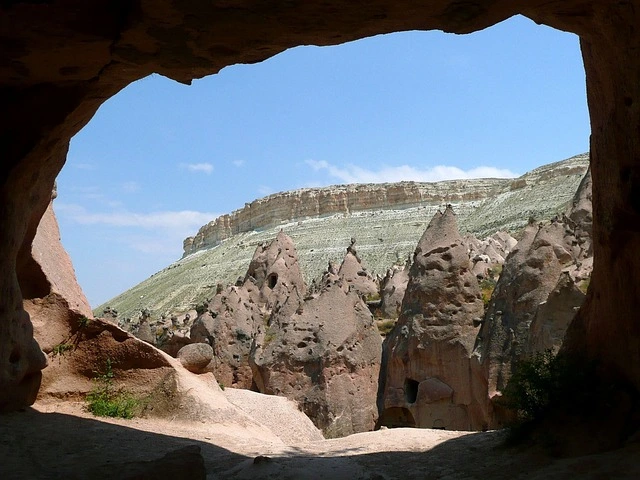
Morning: Arrive at the Goreme Open-Air Museum by 9:30 AM when doors open, before the 11:00 AM bus crowds arrive. Spend 2-3 hours exploring the 10th-12th century rock-cut churches with their remarkably preserved Byzantine frescoes — the Dark Church (Karanlik Kilise) is worth the extra entrance fee for its vivid lapis lazuli-blue ceiling paintings. Afternoon: Continue to Pasabag (Monks Valley) to walk among Cappadocia's most iconic multi-headed mushroom fairy chimneys, then Devrent (Imagination Valley) where wind erosion has sculpted rocks into recognizable animal shapes. Evening: Watch the sunset from Uchisar Castle — the 360-degree panoramic view across the entire plateau as the golden light hits the fairy chimneys is the quintessential Cappadocian moment.
Book Private Red Tour (North Cappadocia) →
Day 2: South Cappadocia — Underground Cities and Canyon Trails
Morning: Depart at 9:30 AM for Derinkuyu Underground City — an 8-level, 60-meter-deep subterranean metropolis where up to 20,000 early Christians once hid from Roman and later Arab persecution. Walk through chapels, stables, kitchens, wine presses, and ventilation shafts carved with astonishing precision. Afternoon: Drive to Ihlara Valley, a 14-kilometer gorge carved 120 meters deep by the Melendiz River. Hike a gentle 3-4 kilometers along the shaded riverbank past over 100 rock-cut churches hidden in the canyon walls. Lunch at a riverside restaurant in Belisirma village. Evening: Return via Selime Monastery — the largest rock-cut monastery in Cappadocia, carved into a volcanic peak with a cathedral-sized main chamber. Optional wine tasting stop in Urgup on the return drive.
Book Private Green Tour (South Cappadocia) →
Day 3: Balloon Sunrise and Free Exploration
Morning: Wake at 4:15 AM. Your private transfer collects you at 4:30 AM and takes you to the balloon launch site. By 5:15 AM you are ascending to 3,000 feet as the first rays of sunlight break over the Erciyes volcano. The 60-75 minute flight ends with a champagne toast and a commemorative flight certificate. You are back at your hotel by 8:00 AM for breakfast. Afternoon: After a rest, choose your own adventure. Options include: a vintage car tour through Love Valley for the most Instagram-worthy photos of your trip, an authentic Turkish hammam experience, pottery-making in Avanos, or simply wandering Goreme's artisan shops and sunset cafes. Evening: A farewell dinner featuring testi kebab — Cappadocia's signature clay-pot dish — and a glass of local Emir white wine on a rooftop terrace as the sun sets over the fairy chimneys.
Expert Tips for Planning Your Cappadocia Trip
- Book your balloon flight for the first morning of your trip. Balloon cancellations due to wind happen on roughly 30% of days across the year. If you book for Day 1 and it is cancelled, you have Day 2 and Day 3 as backup attempts. If you book for your last morning and it is cancelled, you go home without flying. This single scheduling decision is the most important one you will make.
- Avoid Mondays for museum visits. Several sites including the Goreme Open-Air Museum operate on reduced hours or close specific sections on Mondays. If your itinerary is flexible, aim to arrive Tuesday through Thursday for the most reliable access to all major sites.
- Private tours mean zero forced shopping. Standard group tours in Cappadocia include mandatory 30-60 minute stops at carpet, pottery, onyx, and leather workshops — these are commission-based sales pitches that consume up to 2 hours of your paid tour day. Private tours give you 100% of your time for exploration. If you want to shop, you can request it; if you do not, you simply skip it.
- Pack for temperature swings of 20 degrees or more. Cappadocia's high-altitude continental climate means a summer day can start at 12°C at the balloon launch site and reach 35°C by 2:00 PM. Layers are not optional — they are essential. This applies in every season.
- You do not need a deposit to reserve with us. Temren Travel lets you book all tours, balloon flights, and transfers in advance with zero upfront payment. You pay on arrival. This gives you full flexibility if your plans change and eliminates the risk of losing deposits to weather cancellations.
Frequently Asked Questions About Planning a Cappadocia Trip
How far in advance should I book my Cappadocia trip?
For summer travel (June-August), book cave hotels and balloon flights 2-3 months in advance — the best cave rooms and premium balloon operators with small baskets (16-20 passengers) sell out. For spring and autumn, 4-6 weeks is sufficient. For winter, you can book as late as the week before and still find excellent availability. Balloon flights should always be reserved first, as they are the most capacity-constrained activity.
Is Cappadocia safe for travelers?
Yes. Cappadocia is one of Turkey's safest regions with exceptionally low crime rates. The tourism infrastructure is well-developed, locals are welcoming and accustomed to international visitors, and the main towns (Goreme, Uchisar, Urgup, Avanos) are safe to walk at night. Standard travel precautions apply: keep valuables in your hotel safe, be aware of your surroundings, and use licensed tour operators for activities.
Do I need a visa to visit Turkey?
Most nationalities require an e-Visa, which costs approximately €40-80 depending on your passport and is obtained online at the official Turkish government e-Visa portal in about 5 minutes. Citizens of the US, UK, EU, Canada, Australia, and many other countries are eligible. The e-Visa is typically valid for 90-180 days with multiple entries. Always check the latest requirements on the official Republic of Turkey e-Visa website before booking, as rules change periodically.
Is Cappadocia suitable for children?
Cappadocia is genuinely excellent for families. Children are fascinated by the underground cities (the tunnels feel like a real-life adventure), love the hot air balloons (children aged 6+ can fly; under 6 are not permitted by aviation regulations), and enjoy the open spaces and quirky rock formations. Private tours allow you to adjust the pace for young children, skip sites that do not interest them, and add bathroom and snack breaks whenever needed. Several cave hotels have family rooms and swimming pools.
What is the minimum age for hot air balloon flights?
Children must be at least 6 years old to fly in a hot air balloon in Cappadocia, and they must be at least 140 cm tall to see over the basket edge safely. Pregnant women are not permitted to fly. There is no upper age limit — we have had passengers in their 80s fly comfortably.
Can I visit Cappadocia on a budget?
Absolutely. While Cappadocia can be a luxury destination, budget travelers can manage comfortably. Stay in a hostel or guesthouse (€15-25/night), use shared shuttles for airport transfers (€8-12), join group tours (€50-70/day), eat street food and lokanta-style meals (€8-12/day for food), and skip the balloon flight. A 3-day budget Cappadocia trip excluding flights can cost as little as €200-300 per person. The one expense we genuinely recommend not cutting is a guided tour — Cappadocia's sites have minimal signage, and without a guide you will miss most of the historical and cultural context that makes the region extraordinary.
What currency should I bring to Cappadocia?
Most Cappadocia tourism businesses — hotels, tour operators, balloon companies, and larger restaurants — quote prices in Euros (EUR) and accept both Euros and Turkish Lira (TRY). ATMs in Goreme, Urgup, and Avanos dispense Turkish Lira. Credit cards (Visa and Mastercard) are widely accepted at hotels, tour agencies, and sit-down restaurants. Carry some cash in Turkish Lira for small purchases, dolmus rides, street food, and tips. If paying in cash for larger items like tours or balloon flights, Euros are preferred and often get you a slightly better rate than Lira conversions.
Start Planning Your Cappadocia Adventure
You now have everything you need to plan your Cappadocia trip for 2026 — from how many days to spend and which season to visit, to exactly what to budget, how to get there, where to stay, and a proven three-day cappadocia itinerary that thousands of travelers have used before you. Cappadocia is not a complicated destination, but it is a spread-out one — the difference between a stressful trip and a seamless one comes down to having the right transport, the right guide, and the right sequence of activities.
At Temren Travel, we handle every logistics detail so you can focus entirely on the experience: walking through 10th-century cave churches, descending 60 meters into an underground city, floating above fairy chimneys at sunrise, and eating testi kebab on a rooftop as the sun sets over the volcanic plateau. All tours are private — your group only, your pace, your interests. No shopping stops unless you want them. No 40-person buses. No fixed schedules you cannot change. And you pay nothing until you arrive.
Let us build your perfect Cappadocian journey. Start with our most popular private tour package, or tell us exactly what you want and we will design a custom itinerary around you.
Browse Best of Cappadocia Tours → Design Your Custom Tour →
Already know your dates? Browse our Ultimate Cappadocia Travel Guide 2026 for even deeper dives into specific topics, or contact us directly for a personalized consultation.
Recent Travel Guides
Quick Answers — Plan Your Cappadocia Trip 2026 — Itineraries, Budget, Seasons & Transport | Temren Travel
FAQ 1 One Day (Not Recommended Unless It Is a Layover)
A single day in Cappadocia forces brutally difficult choices. You can either do a hot air balloon flight at sunrise OR see the Goreme Open-Air Museum — but not both, because the balloon lands at 8:00 AM and the museum deserves three hours minimum. With only one day, the <strong>Best of Cappadocia Mix Tour</strong> is your best compromise: it combines Red Tour highlights (Goreme Museum, Pasabag fairy chimneys) with a Green Tour underground city in a single 8-hour private itinerary. Realistically, though, you will leave wishing you had booked at least two more days.
FAQ 2 Three Days (The Sweet Spot for 90% of Travelers)
Three full days is the optimal <strong>cappadocia itinerary</strong> for most visitors. This gives you one morning for the balloon flight (with two backup mornings if weather cancels), one full day to explore the Northern valleys and fairy chimneys via the Red Tour route, and one full day to descend into an underground city and hike Ihlara Valley on the Green Tour route. You will see every major highlight, never feel rushed, and still have evenings free for Turkish cuisine and sunset viewpoints. Three days is what we recommend to 90% of our clients.
FAQ 3 Five Days (For the Deep Explorer)
If you have five days, Cappadocia opens up in ways most tourists never experience. Day four can take you to the less-visited Soganli Valley with its serene rock-cut churches and abandoned villages — a place where you might be the only visitor. Day five is perfect for horse riding through Rose Valley at sunset, joining a Turkish cooking class in a local home, or visiting the pottery workshops of Avanos where artisans have thrown clay on kick-wheels for 4,000 years. Five days also means you can attempt a balloon flight on up to four different mornings, dramatically increasing your odds of flying even in variable weather.
FAQ 4 Flights to Cappadocia
Domestic flights from Istanbul to Kayseri (ASR) or Nevsehir (NAV) typically cost <strong>€40 – €120</strong> round-trip, depending on how far in advance you book and whether you fly Turkish Airlines (full-service, includes luggage) or Pegasus/SunExpress (budget, luggage extra). Flights from Antalya or Izmir run <strong>€50 – €150</strong> round-trip. Book 4-6 weeks ahead for the best fares.
FAQ 5 Accommodation
Cave hotels define Cappadocia's accommodation landscape, and prices span an enormous range. A clean, authentic family-run cave pension in Goreme costs <strong>€40 – €80</strong> per night. Mid-range boutique cave hotels with terraces and valley views run <strong>€80 – €150</strong> per night. Luxury cave resorts in Uchisar with infinity pools and panoramic sunrise terraces start at <strong>€200</strong> and can exceed <strong>€500</strong> per night during peak summer. Budget travelers can find simple hostels and guesthouses from <strong>€15 – €25</strong> per night.
FAQ 6 Tours and Activities
Private Red Tour (North Cappadocia): <strong>€140 – €200</strong> per vehicle (up to 12 people). Private Green Tour (South Cappadocia): <strong>€140 – €239</strong> per vehicle. Hot air balloon flight: <strong>€200 – €300</strong> per person for premium operators with small baskets (16-20 passengers); budget operators with 28-person baskets start around <strong>€150</strong>. Group tours are cheaper — roughly <strong>€50 – €70</strong> per person — but come with 40-person buses, fixed schedules, and mandatory shopping stops that consume up to 2 hours of your day.